
Your Body Tells the Rest of the Story
When what you’re going through can feel like it’s beyond words.
Movement can teach us so much.
There are moments when understanding yourself still does not create change.
You may know your history. You may recognize your patterns. You may even be able to explain exactly why you respond the way you do. And still, something in you keeps bracing, shutting down, overworking, pleasing, disconnecting, or staying stuck.
This work makes space for the parts of our experiences that can’t be captured by words alone.
We will always begin with a free 20-minute consultation. This gives us a chance to connect, discuss what you’re looking for, and determine whether it feels like a good fit.

Step 1
Book Your Free 20-Min Initial Talk
Step 2
In-Depth Intro Session
This gives us space to slow down, get oriented, and begin building a working relationship.
$250 | 80 Minutes
Step 3
Continuing Sessions
Ongoing sessions paced collaboratively around your needs, capacity, and goals.
$165 | 50 Minutes
Do we know each other already? Book your next appointment here.
What to Expect
Depending on your needs, sessions may include conversation, nervous system tracking, breath, posture, movement, physical sensation, or experiential exercises.
Sometimes movement is subtle. Sometimes it simply means noticing what happens in your body while we talk. Sometimes we experiment with pacing, gesture, orientation, or breath. Some sessions are highly verbal. Others are quieter and more embodied.
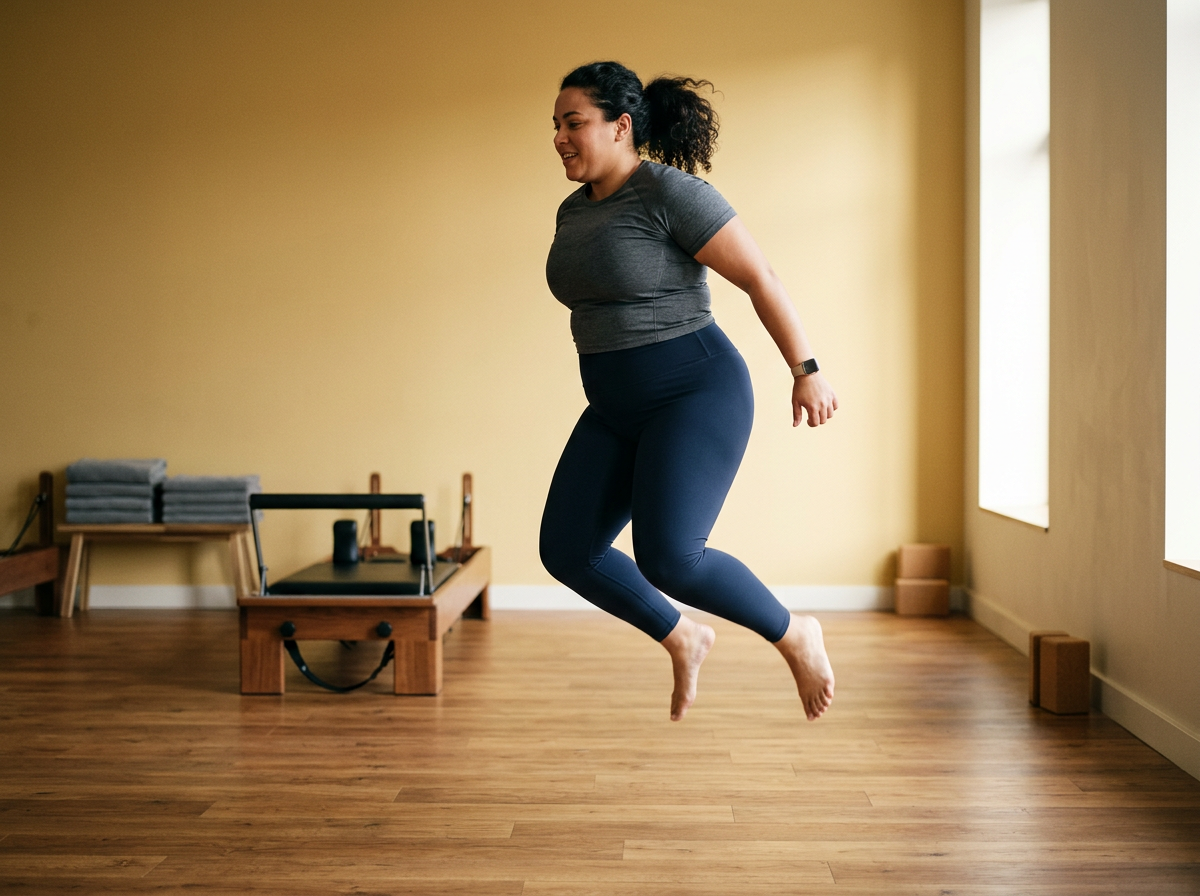
You do not need to be flexible, athletic, coordinated, or comfortable in your body already. This is not performance-based work.
Everything happens collaboratively and at a pace that respects your comfort, consent, and agency.
We won’t ever try to force catharsis or push past your limits. The goal is to help you develop a more informed and trusting relationship with yourself.
Who This Work Is For
This work may resonate with you if:
You intellectualize your experiences but still feel stuck
You feel disconnected from yourself, your body, or other people
You want therapy that feels more relational, embodied, and direct
You are curious about the connection between trauma, the nervous system, and physical experience
You value collaboration, honesty, and agency in the therapeutic process
You are looking for depth, not just symptom management
You do not need to arrive with perfect clarity about what you need. You just need somewhere safe to begin.
I approach therapy as a collaborative process. You are never expected to override your instincts, disclose everything, or move faster than feels right. Part of the work is learning to notice your own responses, boundaries, impulses, and needs with greater clarity.

Your body has something to say to you.
Ready to start the conversation?
Working together starts with a free 20-minute consultation. This gives us a chance to connect, discuss what you’re looking for, and determine whether the work feels like a good fit for both of us.
Frequently Asked Questions
Do I need to have any experience with movement, exercise, or bodywork?
No. This isn't a fitness practice, and physical ability isn't a factor. People come to this work from every kind of relationship with their body — including complicated or difficult ones. The movement we do in sessions is slow, small, and purposeful. It tends to look a lot less dramatic than people imagine.
What if I freeze up, or just don't want to move in a particular moment?
That's useful information too. Nothing about this work requires you to perform willingness you don't feel. If something doesn't feel right, you say so — and we work with that, rather than around it. The point is never to push through discomfort for its own sake.
What does the movement actually involve? Do I have to do something embarrassing?
Movement in sessions could take a number of forms depending on where and how we're working. It might involve Pilates-based exercises, or something subtler such as noticing what shifts in your body as you move, or what a particular physical challenge reveals about how you tend to meet difficulty. The movement is guided and purposeful. You are always in control of your own body and you never have to do something you’re not ready for or that feels too uncomfortable.